
The world of loose leaf tea
Japanese Tea
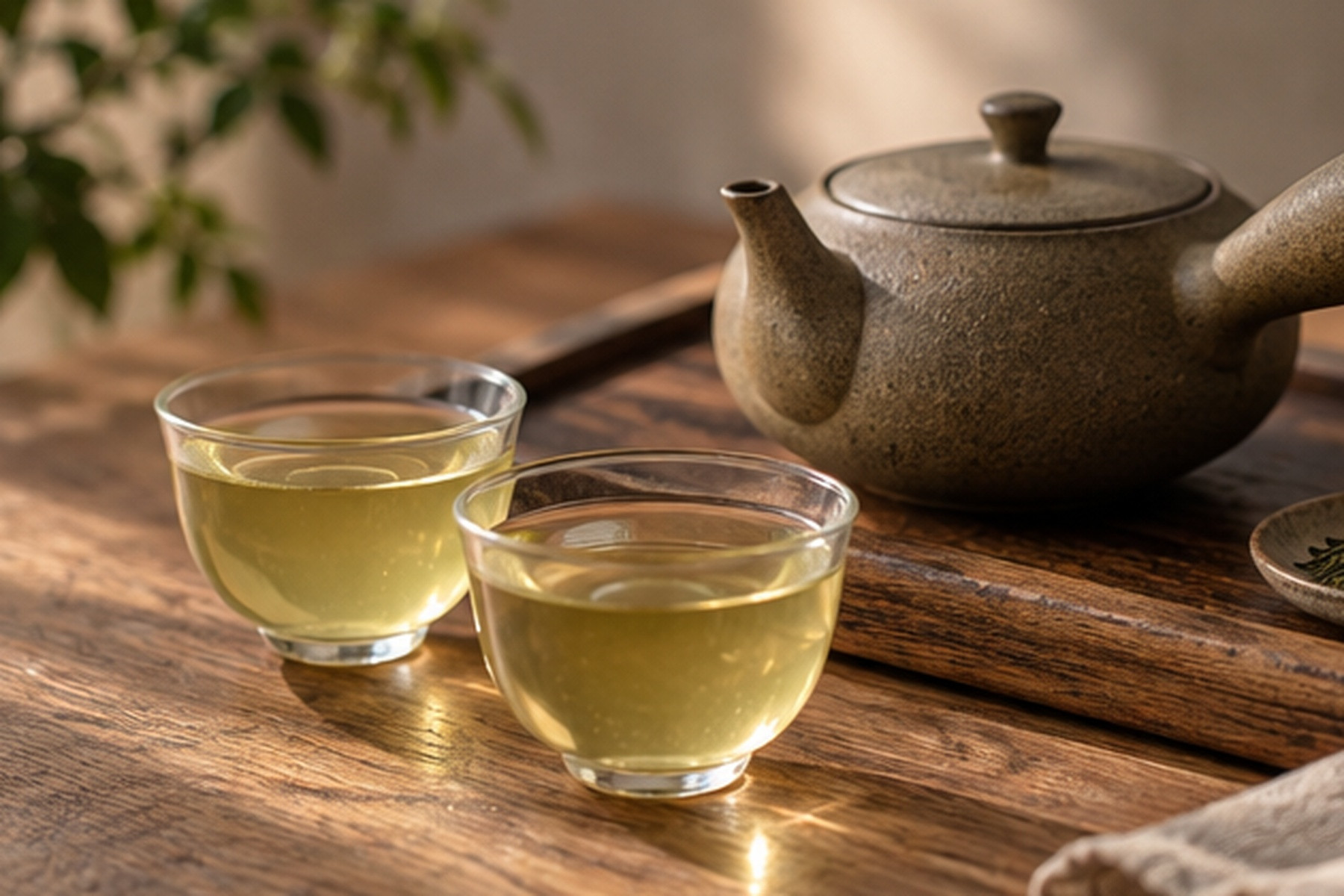
From fresh sencha and creamy matcha to the warm, toasted notes of genmaicha and houjicha. Explore our Japanese teas at Het Kleinste Huis in Amsterdam.
All Japanese Teas


Choose by flavour
Which Japanese tea is right for you?


How to choose and brew Japanese tea
Sencha tastes fresh and grassy. In genmaicha, the toasted flavour comes from roasted rice, while in houjicha it comes from the roasted tea leaves. If you’d like to explore further, these three teas each have a distinct character.
- Tamaryokucha has curled leaves and can taste mellow, rounded and slightly nutty.
- Gyokuro is shaded before harvest and has a rich umami flavour.
- Kukicha is made mainly from tea plant stems and brews a mild cup.
| Tea | Water | Preparation |
|---|---|---|
| Sencha Midori | 70–80 °C | 2–3 min. |
| Genmaicha | 80–90 °C | 2–3 min. |
| Houjicha Sumire | 80–90 °C | 1–2 min. |
| Tamaryokucha Miyazaki | 70–80 °C | 1–2 min. |
| Matcha Kagoshima | 75–80 °C | Whisk |
Prefer a lighter cup? Start with the shortest steeping time and taste.
Origin & character
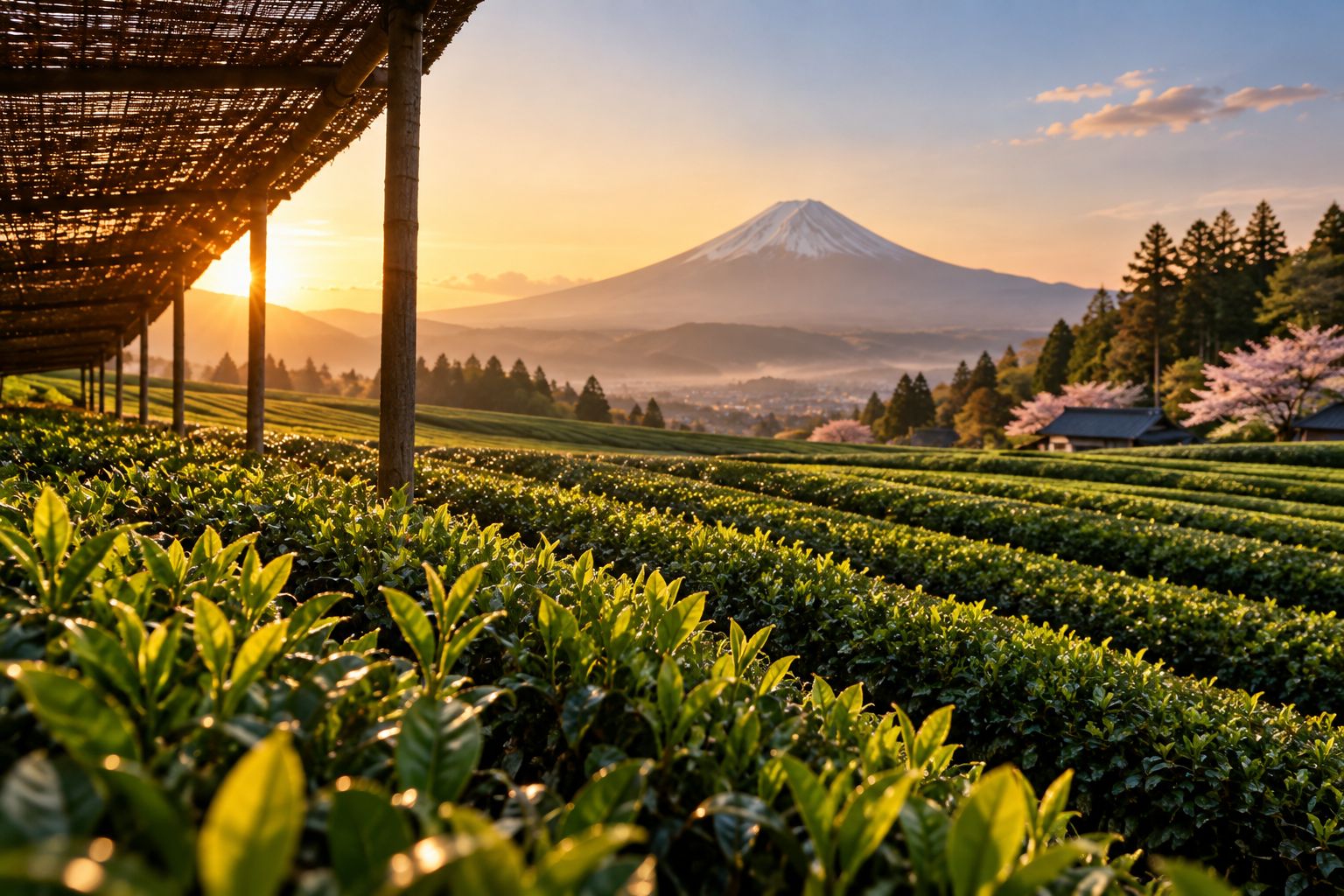
From Kagoshima to Miyazaki
Kagoshima and Miyazaki are both on Kyushu, in southern Japan. Kagoshima is home to our fresh Japanese Sencha Midori and creamy Japanese Matcha Kagoshima. Our Japanese Tamaryokucha Miyazaki comes from Gokase in Miyazaki Prefecture. It has curled leaves and a mellow, nutty flavour.
How to brew loose-leaf Japanese green tea
- Measure out the tea using the amount recommended on the pack.
- Let the water cool to the right temperature for your tea. Use the brewing guide above.
- Pour out all the tea once it has finished steeping. Try a shorter steep for the second infusion.
Frequently asked questions about Japanese tea
What’s the difference between matcha and genmaicha matcha?
Matcha is finely ground green tea that you whisk into water. Japanese Genmaicha Matcha is a blend of loose green tea, roasted rice and matcha powder. Steep it as you would any loose-leaf tea.
Which Japanese tea is best for beginners?
Choose sencha if you enjoy fresh, grassy flavours. Genmaicha is a good first choice if you prefer something mellow and nutty. For a more pronounced roasted flavour, try houjicha.
Are houjicha and hojicha the same tea?
Yes, they’re two spellings for the same Japanese roasted green tea. Roasting the leaves gives the tea its warm, nutty flavour.
How do you keep Japanese green tea from tasting bitter?
Use slightly cooler water or steep the tea for less time. For Sencha Midori, start with water at around 75 °C. Taste the first cup and adjust your next brew to suit your taste.
Where can I buy Japanese tea in Amsterdam?
Visit Het Kleinste Huis at Oude Hoogstraat 22. Tell us which flavours you enjoy and we’ll help you choose a Japanese tea.
Find your favourite matcha
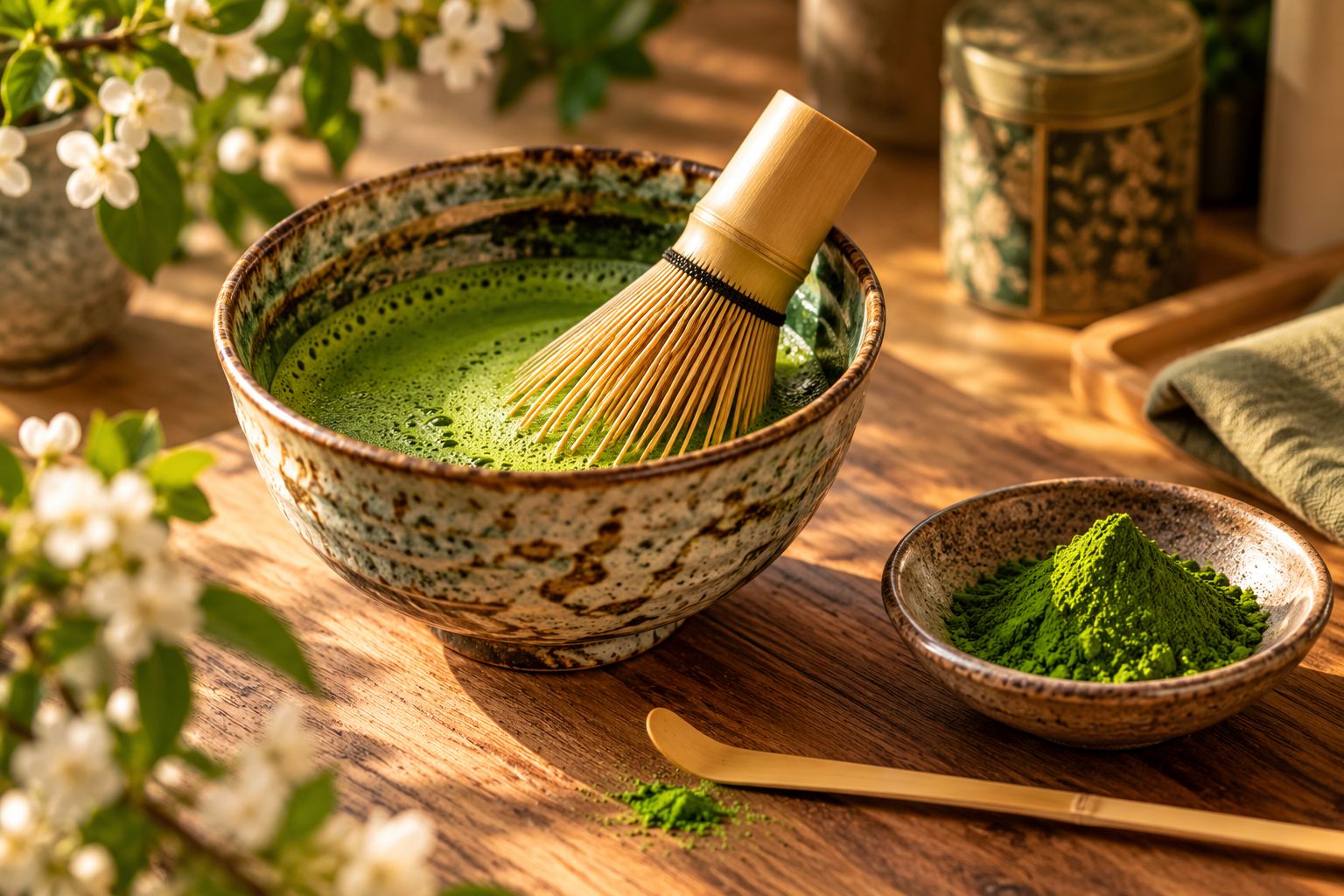
At our private tasting in Amsterdam, you’ll try three Japanese matchas and learn how to whisk matcha yourself with a bamboo whisk.
Private Matcha Tea Tasting